One day when my son was in the 3rd grade, he came home visibly upset about a book that they were reading in class called Hatchet, by Gary Paulsen. Hatchet is a popular award-winning novel, but the themes of divorce, death, suicidal thoughts, and isolation bothered my sweet, sensitive son. I wanted to learn more so talked to my son’s teacher and she suggested that I read the book myself so I could discuss the issues that were bothering my child.
This year National Banned Book week is October 1-7. Every year it serves as a reminder of the importance of intellectual freedom and the right to access diverse ideas and perspectives. Last year the “American Library Association (ALA) documented 1,269 demands to censor library books and resources in 2022, the highest number of attempted book bans since ALA began compiling data about censorship in libraries more than 20 years ago.” (bannedbooksweek.org) That number is continuing to climb this year.
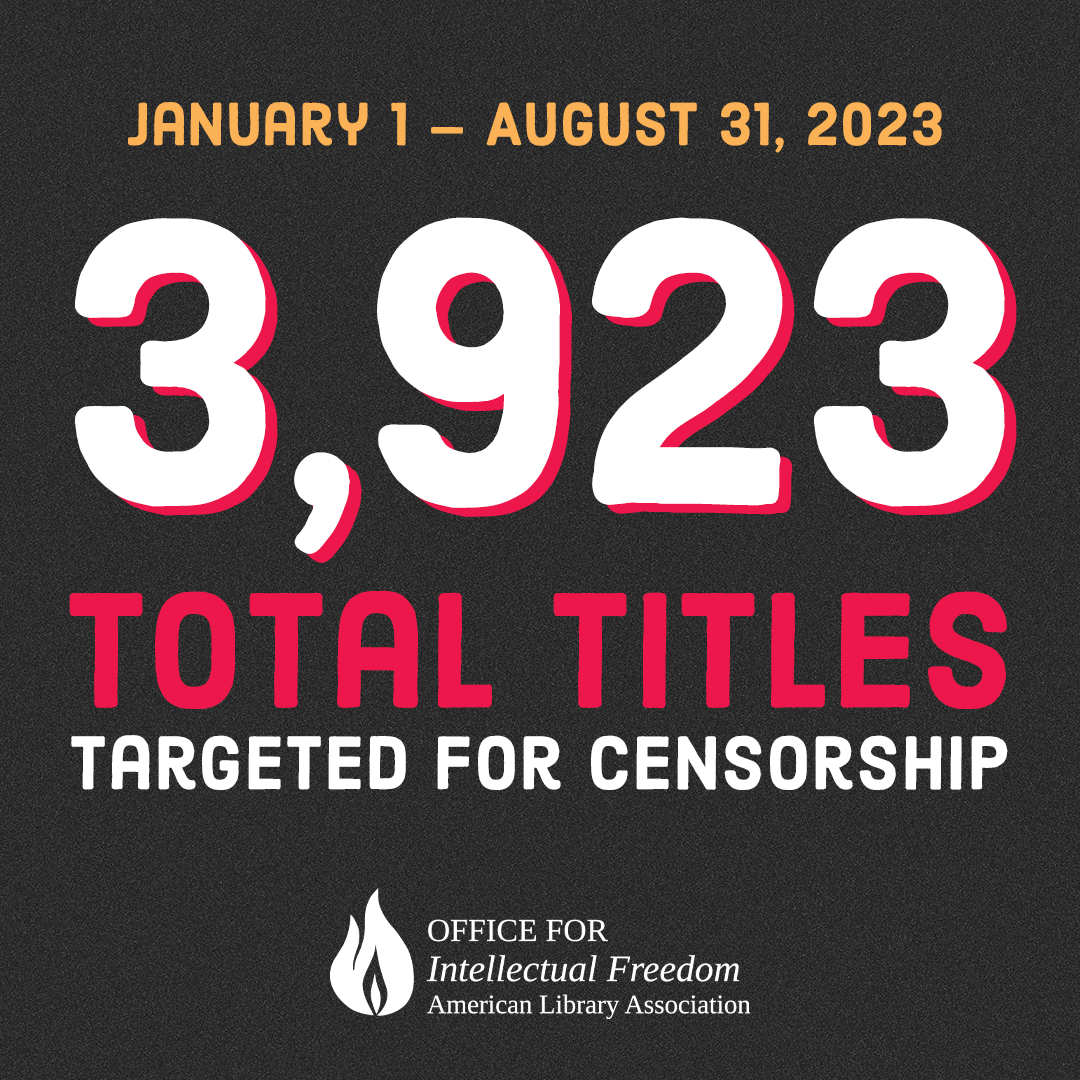
For many parents, teachers, and librarians the rise in book bans is unnerving, but there are actions you can take to advocate for the freedom to read.
- Learn more about banned books – There have been many books banned from school and public library shelves and even more that are being challenged every day. Learn more about the process and reasons that a book might be banned.
- Read banned books with your family – Stop by the library for suggestions of age-appropriate books that have been on banned book lists.
- Discuss the effects of censorship with your family – Censorship can interfere with sharing information and ideas, widen social divisions by silencing diverse voices, and spread misinformation when all viewpoints aren’t fully represented.
- Visit the library – Every day our library champions intellectual freedom, but on Tues., Oct. 3 O’Fallon Public Library is partnering with the ACLU for a “Banned Book Week Read-In.” You will have an opportunity to read banned books while learning about censorship and how each of us can play a role in protecting the right to read. (Registration required)

Hatchet is a book that can be found on banned book lists around the country. If I had insisted that the teacher at my son’s school stop reading the book because I believed it was inappropriate, then both my son and I would have missed out on valuable lessons. My son discovered that not only were there books beyond the Warrior Cats, or the Captain Underpants series, but he also learned the powerful impact that books can have in exploring new experiences, promoting empathy, and encouraging critical thinking, lessons that he still carries with him 15 years later. We both discovered that reading books that were challenging opened pathways for discussion about topics outside of our life experiences.
By supporting access to diverse ideas, we recognize the value of freedom of expression and the power of literature to inspire, educate, and provoke thought. So, this October, pick up a banned book, join the conversation, and celebrate your right to read what you choose.


 The O'Fallon Public Library News